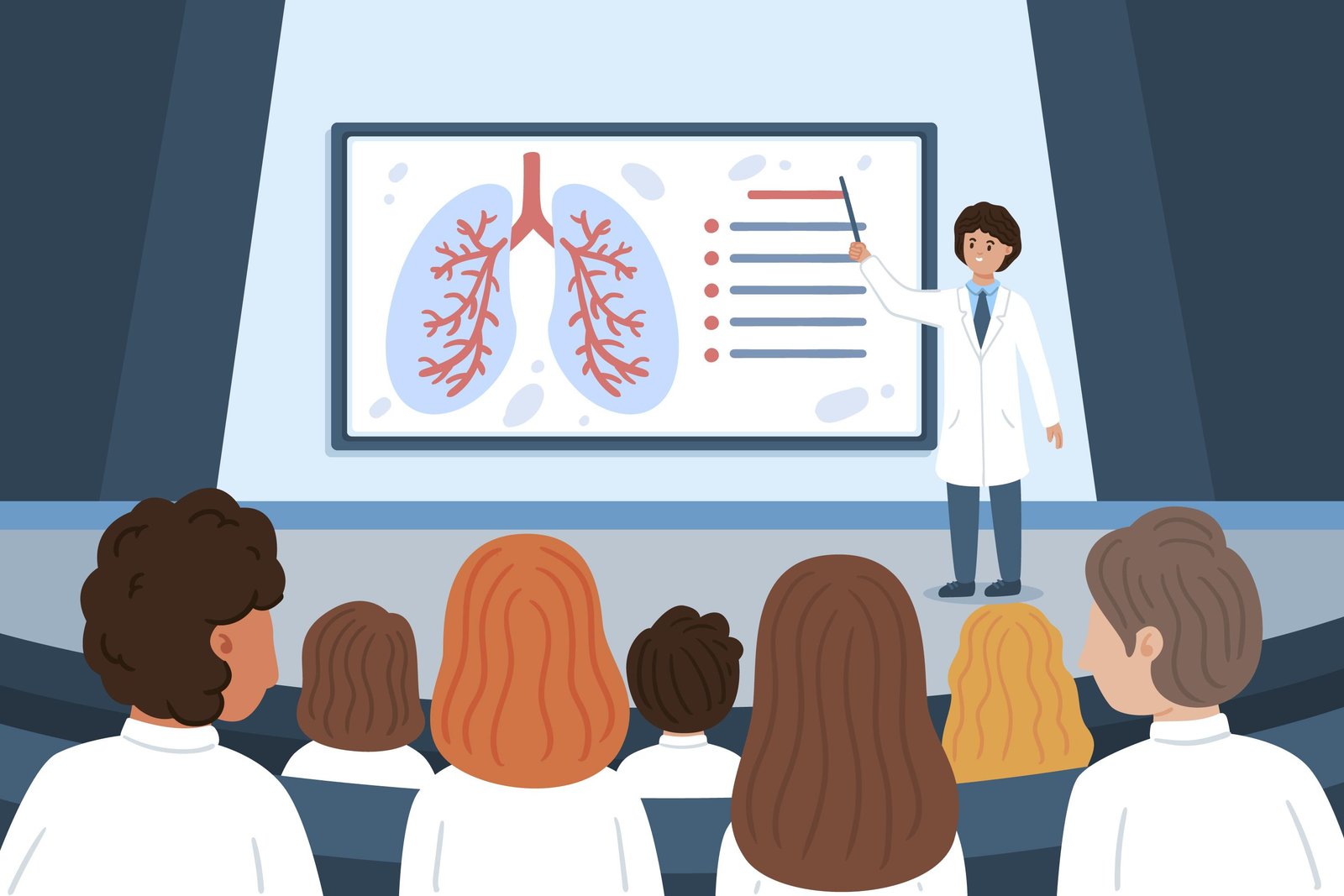
Choosing a respiratory therapy degree is more than just signing up for classes—it's a decision that shapes the rest of your career.
I remember standing in the ICU, shadowing a respiratory therapist for the first time.
She wasn’t just managing machines—she was giving patients their breath back.
That’s when I realized how powerful this career path could be.
The Heart Behind the Career
Respiratory therapists work on the front lines of patient care.
They assist people with asthma, COPD, pneumonia, and even newborns with breathing issues.
When you pursue this degree, you're not just learning skills—you're preparing to be someone’s lifeline.
One moment that stuck with me?
Watching a therapist calmly guide a panicked child through an asthma attack using nothing but knowledge, reassurance, and a handheld nebulizer.
That’s what this job is: calm in chaos.
Why a Respiratory Therapy Program Matters
Not all programs are created equal.
What sets some apart isn’t just the syllabus—it’s the experience, the access to real-life practice, and the mentorship that keeps you going when things get tough.
You’re not learning in a vacuum.
You’re learning for people—people who will one day rely on your precision, your calm, your ability to act fast.
In the best programs, you’ll find clinical rotations that throw you into real hospital environments early on.
That makes all the difference.
Respiratory therapy degree programs that blend online learning with hands-on hospital time give you the flexibility to study on your terms—without sacrificing the real-world skills you’ll need from day one.
Skills That Go Beyond the Textbook
Textbooks are great—but patients don’t come with indexes or glossaries.
- What you need are skills like:
- Reading blood gas levels fast
- Mastering ventilator settings
- Communicating clearly with families under stress
- Making decisions that often can’t wait
The best therapists are both technical and empathetic.
They work alongside doctors, nurses, and surgeons, but they also build trust with patients—sometimes within seconds.
That’s not something you can learn in a slideshow.
You need a degree that prepares you for this duality.
Real Students, Real Results
I spoke to a former classmate who finished her bachelor’s in respiratory therapy during the pandemic.
She was doing 12-hour shifts while finishing coursework remotely.
She told me the hybrid program helped her juggle both life and learning.
Even more powerful?
Within two weeks of graduating, she was hired by a top hospital in Los Angeles.
Her clinical rotation had already made an impression on the team.
They remembered her.
That’s what happens when a program is built with job-readiness in mind.
Career Paths You Didn’t Know Existed
Most people think respiratory therapists only work in hospitals.
But that’s just the beginning.
With this degree, you can also work in:
- Sleep labs, helping diagnose sleep apnea
- Neonatal ICUs, supporting premature infants
- Transport teams for critical care
- Pulmonary rehabilitation centers
- Research labs focused on lung disease
There’s even room to move into teaching, management, or device development.
Once you’re in, the field opens up fast.
From Classroom to Code Blue
One of the most intense moments I ever witnessed was during a code blue in a teaching hospital.
A man’s oxygen levels were plummeting.
The respiratory therapist calmly stepped in, adjusted the ventilator, and administered medication through the tube.
That single action stabilized the patient’s breathing.
Watching that moment play out convinced me that I was pursuing something meaningful.
The transition from classroom theory to real-world practice happens quickly in this field.
That’s why having the right training and mentorship is critical.
How the Right Program Supports You
A strong degree program offers more than academic knowledge.
It provides:
- Simulation labs that mimic emergency situations
- Support from faculty who’ve worked in trauma units
- Internship placement with trusted hospital networks
- Review sessions for your NBRC exams
But beyond that?
It gives you confidence.
You’ll walk into a room knowing you’re prepared—because you’ve done it before, again and again, in labs and rotations.
Learning That Fits Your Life
Life doesn’t pause while you earn a degree.
That’s why programs offering flexible online coursework make a huge difference.
If you’re working part-time, raising a family, or even switching careers, being able to study from home is a game-changer.
But the key is that it’s not all online.
Hybrid programs blend convenience with essential in-person training.
You can study cardiopulmonary anatomy on your laptop—and then practice intubation in a controlled clinical setting.
That’s the best of both worlds.
The Future of Respiratory Care
With more patients suffering from chronic respiratory conditions and aging populations increasing, the demand for respiratory therapists is only going up.
This isn’t just a trend—it’s a necessity.
Hospitals, urgent care clinics, and home healthcare services need trained professionals who are ready from day one.
If you're thinking long-term stability, this career checks that box.
But it also delivers on purpose.
Every shift, you’ll help someone breathe easier—sometimes literally.
Final Thoughts
A respiratory therapy degree isn’t just another credential—it’s a launchpad for a career that’s equal parts science and heart.
Whether you’re just starting or pivoting mid-career, the right program can make all the difference.
You’ll graduate with the skills to step into fast-paced environments and the confidence to make decisions that matter.
Most importantly?
You’ll be ready to make a real difference.
Every single day.
Tools
ChatGPT can make mistakes. Check impor